 Winelingo
Unit 8 of 26 · Online wine course
Italian Wine Course
Piedmont, Tuscany, Veneto and the south. 9 lessons · about 69 min
This unit is included with Premium ($3.99 a month, 3 days free) or the course for life ($39.99 once).
The 9 lessons
-
Italy at a glance: native grapes and wine for the table
Why Italian wine tastes the way it does: hundreds of native grapes, fresh acidity made for food, and a long, hilly land from the cool Alps to the hot south.
You will be able to:
- name the three traits that make Italian wine recognisable
- explain how hills, height and sea keep Italian grapes fresh
- outline Italian wine history from the Greeks to DOC
-
The grapes of Italy: the few behind the famous names
Most famous Italian wines name a place, not a grape. Learn the handful behind them: Sangiovese, Nebbiolo, Barbera, the southern reds and four key whites.
You will be able to:
- name the grapes behind Chianti, Barolo, Prosecco and Soave
- tell Sangiovese, Nebbiolo and Barbera apart by their grip
- explain why Vino Nobile is not Montepulciano grape wine
-
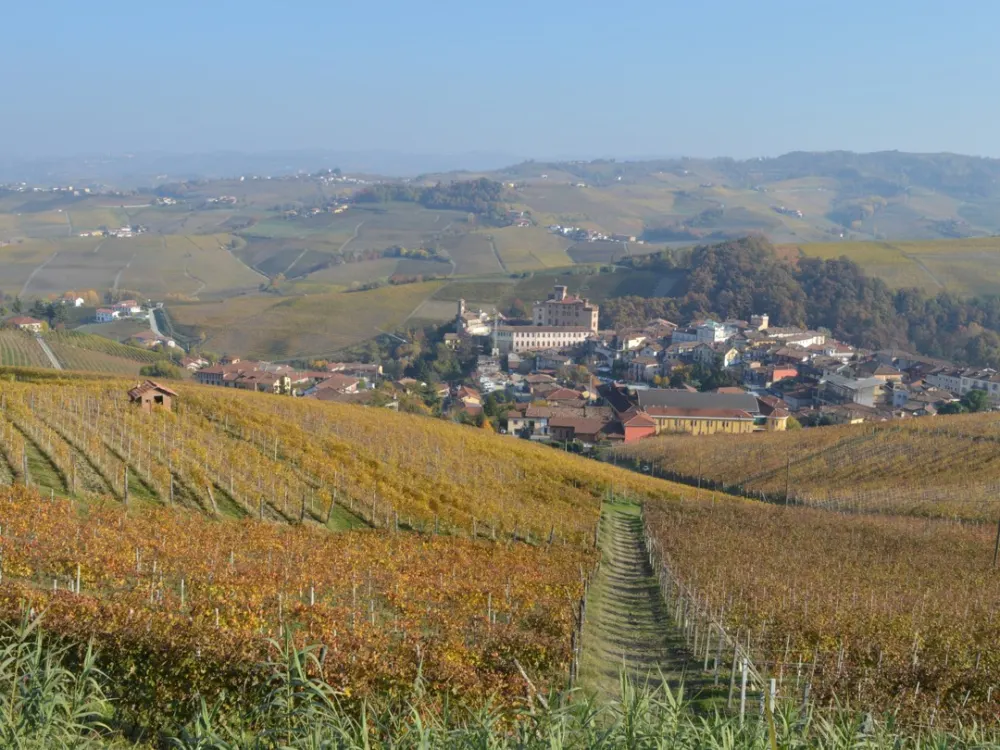
Piedmont: Barolo, Barbaresco and Barbera
Piedmont's great reds, Barolo and Barbaresco, are pure Nebbiolo: pale, grippy and built to age, while Dolcetto and Barbera cover everyday drinking.
You will be able to:
- locate Piedmont's best vineyards in the Langhe hills
- describe Barolo and Barbaresco and their minimum ageing
- rank Piedmont's reds from everyday Dolcetto to Barolo
-
Tuscany: Chianti, Brunello and the Super Tuscans
Tuscany's famous reds are built on one grape, Sangiovese, and the label tells you which hills it grew on, how long it aged and whether the maker broke the rules.
You will be able to:
- read a Tuscan label for place, ageing and rules
- tell Chianti Classico, Brunello and Vino Nobile apart
- explain what Super Tuscans are and why they matter
-
Veneto and the north-east: Prosecco, Amarone and Soave
How Italy's cool north-east turns a few grapes into very different wines: tank-made Prosecco, dried-grape Amarone and crisp Soave.
You will be able to:
- explain how Prosecco gets its bubbles
- read Prosecco's quality steps and sweetness words
- describe Valpolicella, Ripasso, Amarone and Soave in a line each
-
The south and the islands: sun, volcanoes and value
Italy's hot south and islands make ripe, soft reds at great value, while altitude, sea breezes and volcanic soil keep the best wines, such as Etna's, fresh.
You will be able to:
- explain how the hot south still makes fresh wines
- name the key grapes of Puglia, Campania and the islands
- pick southern wines from everyday to famous
-
Read an Italian label: tiers and key words
How to read a real Italian bottle: the four facts on the front, the tier in small print, invented names, and the words for place, time and style.
You will be able to:
- find the four key facts on an Italian front label
- decode a tier line written out in Italian
- read place, ageing and style words on a real bottle
-
Northern Italy: Piedmont and the Veneto side by side
Piedmont's grippy Nebbiolo next to the Veneto's cherry reds and dried-grape Amarone: how they taste, what to eat with them and the smart-value bottles.
You will be able to:
- compare northern Italy's reds from light to powerful
- choose value swaps for Barolo and Amarone
- match northern Italian wines to the right food
-
Tuscany and the south of Italy: what to choose and why
Tuscan Sangiovese and the south's riper reds side by side: how they taste, which dishes they suit, and the good-value bottles to buy.
You will be able to:
- compare Tuscan Sangiovese with the south's riper reds
- match Tuscan and southern wines to everyday dishes
- pick good-value swaps for Brunello and other famous names
Related reading on Winelingo: Wine of Italy