 Winelingo
Unit 21 of 26 · Online wine course
Terroir and Vintages Course
Why place and year matter. 4 lessons · about 32 min
This unit is included with Premium ($3.99 a month, 3 days free) or the course for life ($39.99 once).
The 4 lessons
-
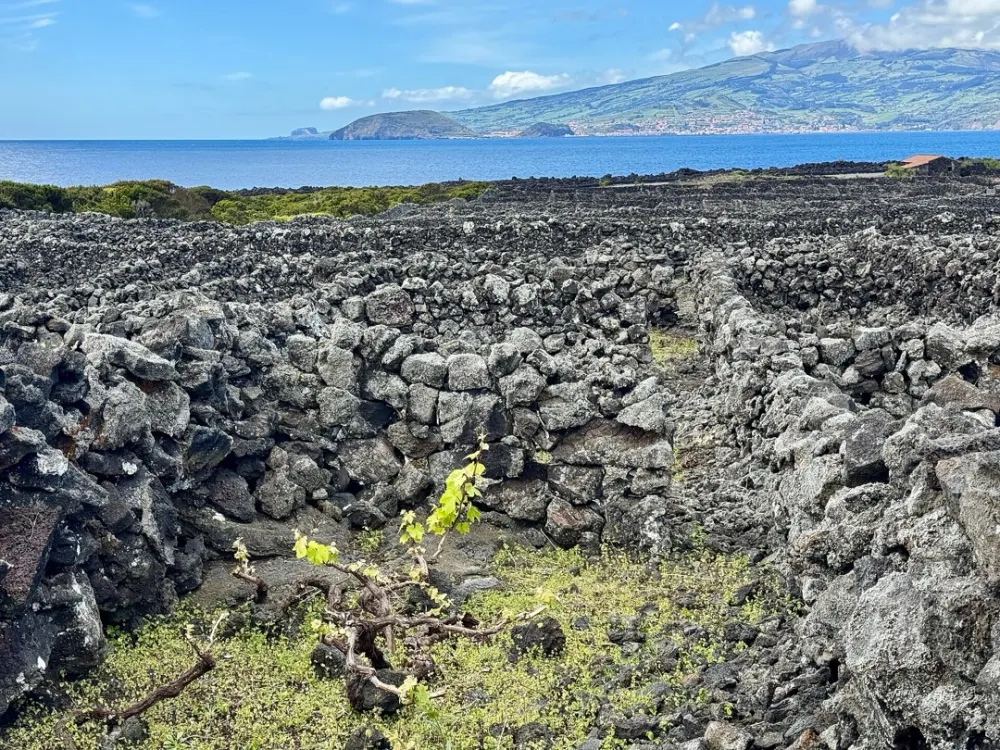
What terroir really means, and how to taste it
Terroir put to the test: how soil really works through water, why 'mineral' is not the taste of rock, and how to taste a place side by side.
You will be able to:
- explain how soil shapes wine through water
- explain why minerality is not the taste of rock
- set up a side-by-side tasting that shows terroir
-
Cool climate vs warm climate: how warmth shapes wine
Why the warmth of a region sets its wine's style: the vine belt, life at the cool edge, the fixes growers and winemakers use, and a wine map on the move.
You will be able to:
- explain how a region's climate shapes its wine
- place cool-edge and hot regions on a climate scale
- read a label's alcohol figure as a climate clue
-
Why the vintage year matters, and when it doesn't
Each year's weather is written into the wine. Learn where the year matters most, how to read a vintage chart and how to buy in a weak year.
You will be able to:
- explain how one year's weather changes a wine
- read a vintage chart and use it wisely
- spot where the vintage matters most, and least
-
Organic, biodynamic, natural, sustainable: what they promise
Four label words describe how a wine is grown or made, not how good it tastes: what organic, biodynamic, natural and sustainable really promise.
You will be able to:
- explain what organic, biodynamic, natural and sustainable promise
- read organic wine labels from the EU and US
- tell a farming word from a cellar word
Related reading on Winelingo: Where wine comes from