 Winelingo
Unit 14 of 26 · Online wine course
Argentinian Wine Course
Malbec, Mendoza, Salta and Patagonia. 5 lessons · about 39 min
This unit is included with Premium ($3.99 a month, 3 days free) or the course for life ($39.99 once).
The 5 lessons
-
Argentina at a glance: Malbec, mountains and desert sun
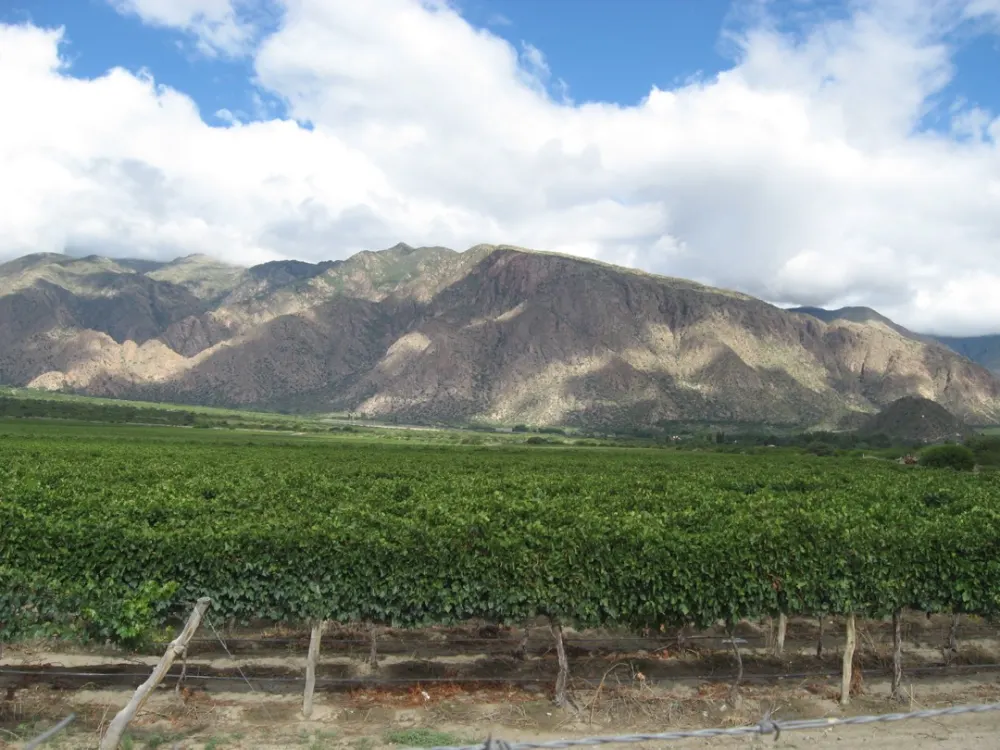
Argentina is the land of plush Malbec, grown in near-desert vineyards high in the Andes foothills, where melted snow waters the vines and cool nights keep the wine fresh.
You will be able to:
- describe the plush style of Argentine Malbec
- explain how snowmelt and altitude make a desert work
- place Mendoza, San Juan, Salta and Patagonia on the map
-
The grapes of Argentina: Malbec and more
Malbec leads Argentina's grapes, with Bonarda and the Cabernets behind it, aromatic Torrontés as the signature white and old Criolla grapes for everyday wine.
You will be able to:
- describe how Argentine Malbec tastes and why it nearly vanished
- name Argentina's supporting reds and what each one brings
- tell perfumed Torrontés apart from the everyday Criolla grapes
-
Mendoza: desert, snowmelt and Malbec at altitude
Mendoza is a high desert watered by Andes snowmelt: sunny days and cool nights give plush Malbec near the city and fresher, more floral Malbec up in the Uco Valley.
You will be able to:
- explain how snowmelt and acequias water a desert
- explain why altitude makes Malbec fresher and deeper
- tell plush Luján de Cuyo from fresh Uco Valley
-
Salta and Patagonia: high north, cool south
Argentina's two wine extremes: Salta's sky-high, sunny valleys make perfumed Torrontés and deep reds, while Patagonia's cool, windy river valleys make fresh Pinot Noir.
You will be able to:
- explain why Salta and Patagonia both make fresh wines
- describe Salta's Torrontés, Malbec and Tannat
- name Patagonia's wine provinces, rivers and grapes
-
Reading an Argentine label: place, grape, ageing
Read an Argentine bottle like a local: the IP, IG and DOC place levels, small districts like Paraje Altamira, the 85 per cent rule, Reserva and altitude.
You will be able to:
- tell Argentina's IP, IG and DOC place levels apart
- apply the 85 per cent rule and Reserva minimums
- read an Argentine label from front to back
Related reading on Winelingo: Wine of Argentina