 Winelingo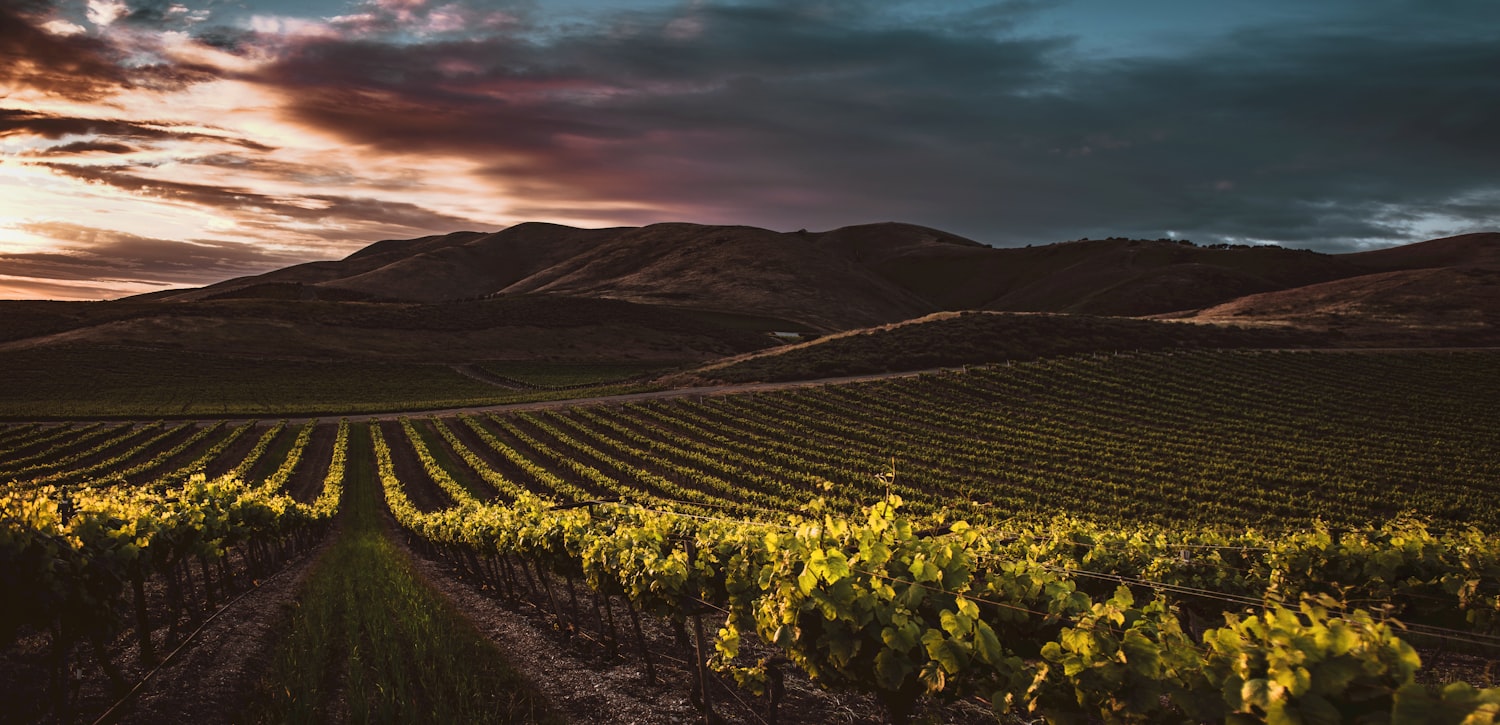
Bone-dry, high-energy white Sauvignon Blanc with citrus, gooseberry and fresh-cut grass, plus a tense, smoky, flinty mineral streak. Light-bodied and racy, with mouth-watering acidity and a clean, stony finish.
How Sancerre wine tastes
Sancerre is the classic reference for what fresh, mineral Sauvignon Blanc should taste like. Expect grapefruit, lemon and lime, green notes of gooseberry, blackcurrant leaf and fresh-cut grass, and above all a taut, stony, almost smoky character often described as ‘gunflint’. It is crisp, dry and precise rather than lush or tropical.
The cool climate keeps everything zesty. The acidity is high and refreshing, the body light, and the overall impression is one of clarity and cut, like the wine has been polished clean. Good Sancerre feels tense and mineral, with the fruit playing second fiddle to that flinty, chalky drive.
There is also a little red and rosé Sancerre, made from Pinot Noir, which surprises people: light, fresh and elegant, with red-cherry fruit and a delicate, silky feel.
Signature styles & what to look for
The overwhelming majority of Sancerre is dry white Sauvignon Blanc, and that is what most bottles will be unless the label says otherwise. Look for Sancerre Rouge (red) or Sancerre Rosé if you want the Pinot Noir versions.
Sancerre has no Crianza-style ageing ladder; instead, the interest lies in soil and site. Locals talk about three broad soil types: terres blanches (chalky clay-limestone), caillottes (stony limestone) and silex (flint). Wines from flinty silex, especially around the hillside village of Chavignol, tend to be the smokiest and most mineral, while caillottes give the most immediately fragrant, easy-drinking style.
Most Sancerre is made in stainless steel to keep it fresh and is delicious young, though top single-vineyard bottlings can develop beautifully over several years. A handful of growers use a little oak for a richer, more textured wine.
The grapes & the land
Sauvignon Blanc makes the whites; Pinot Noir, Burgundy’s red grape, makes the reds and rosés. Sancerre sits on hilly slopes in the eastern Loire, a cool, continental corner of France.
The cool climate ripens grapes slowly and holds on to bright, zesty acidity, pushing the flavours towards citrus, gooseberry and green herbs rather than ripe tropical fruit. The famous chalky limestone and flinty silex soils are what give the wines their tense, smoky, mineral edge. It is this marriage of cool air and stony ground that defines the whole style.