 Winelingo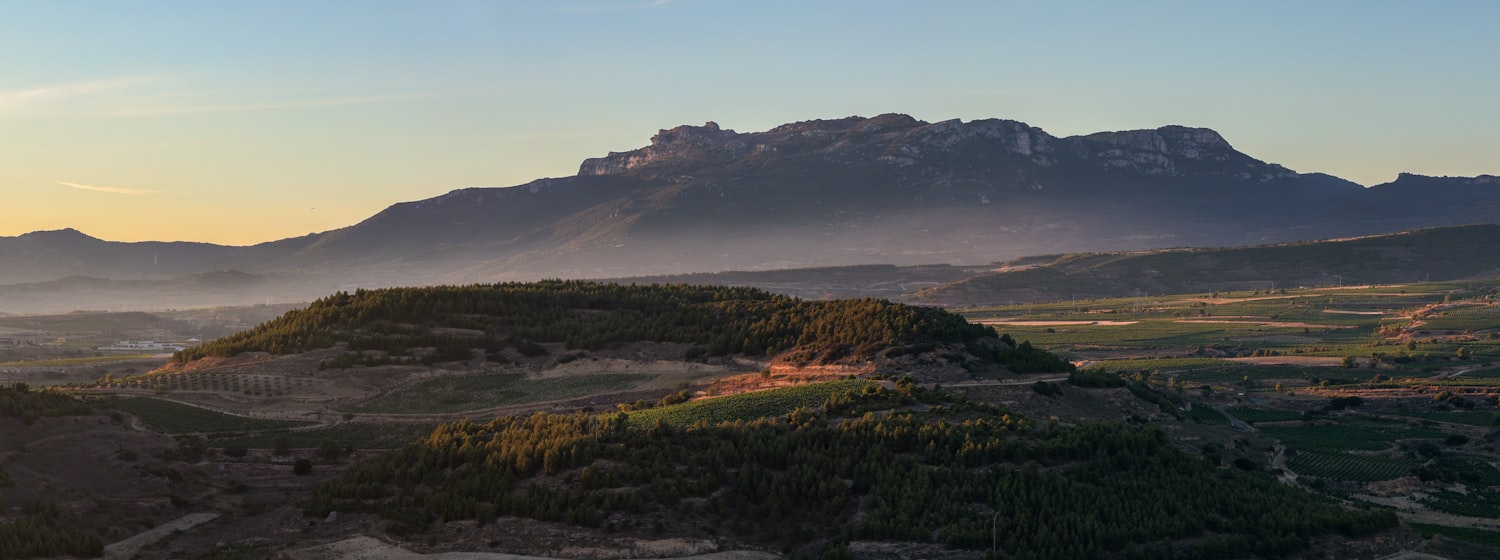
Supple, red-fruited Tempranillo — strawberry, red cherry and dried fig — layered with oak-derived vanilla, coconut, leather and savoury spice that grows with age. Medium to full-bodied, with fine tannins and refreshing acidity.
How Rioja wine tastes
Rioja is Spain’s most famous red, and its charm lies in the marriage of ripe fruit and oak ageing. The Tempranillo grape gives supple red fruit — strawberry, red cherry, plum and dried fig — while time in oak barrels adds vanilla, a distinctive coconut-and-dill note (from traditional American oak), plus leather, tobacco, dried herbs and sweet spice.
The result is medium to full-bodied, with fine, smooth tannins and a fresh seam of acidity that keeps everything balanced and food-friendly. Younger, less-aged Riojas taste brighter and fruitier; the longer-aged bottles trade some of that fresh fruit for gorgeous savoury, autumnal complexity.
This evolution is the whole point of Rioja. A well-aged Reserva or Gran Reserva is mellow, silky and layered — a wine that has done much of its ‘growing up’ for you before it reaches the shelf.
Signature styles & what to look for
Rioja is famous for grading its wines by how long they’re aged, and the term on the label is your best guide to style:
Genérico (or joven) — young, with little or no oak, bright and fruity. Crianza — aged at least two years, with a minimum of one year in oak. Reserva — aged at least three years, with at least one in oak, and noticeably more complex. Gran Reserva — the pinnacle, aged at least five years with a minimum of two in oak, made only in the finest vintages.
As you climb the ladder, expect softer tannins and more savoury, mature notes of leather and dried fruit. Most Rioja is red, but the region also makes fresh white Rioja (chiefly from the Viura grape, some of it barrel-aged) and dry rosado (rosé).
The grapes & the land
Tempranillo is the backbone, valued for its balance of fruit, structure and its friendliness towards oak. It’s usually blended with a little Garnacha (Grenache) for body and warmth, plus dashes of Graciano and Mazuelo (Carignan) for acidity, colour and spice. White Rioja comes mainly from Viura.
The region sits in a sheltered valley in northern Spain with a continental climate — warm days and cool nights. It also straddles a fascinating meeting point of influences: cooler, damper Atlantic weather from the northwest and warmer Mediterranean air from the southeast. That mix gives the grapes both ripeness and freshness.
Rioja divides into three subzones — the cooler, higher Rioja Alta and Rioja Alavesa for the most elegant, age-worthy reds, and the warmer Rioja Oriental for riper, fuller styles. Chalky clay and iron-rich soils round out the picture.