 Winelingo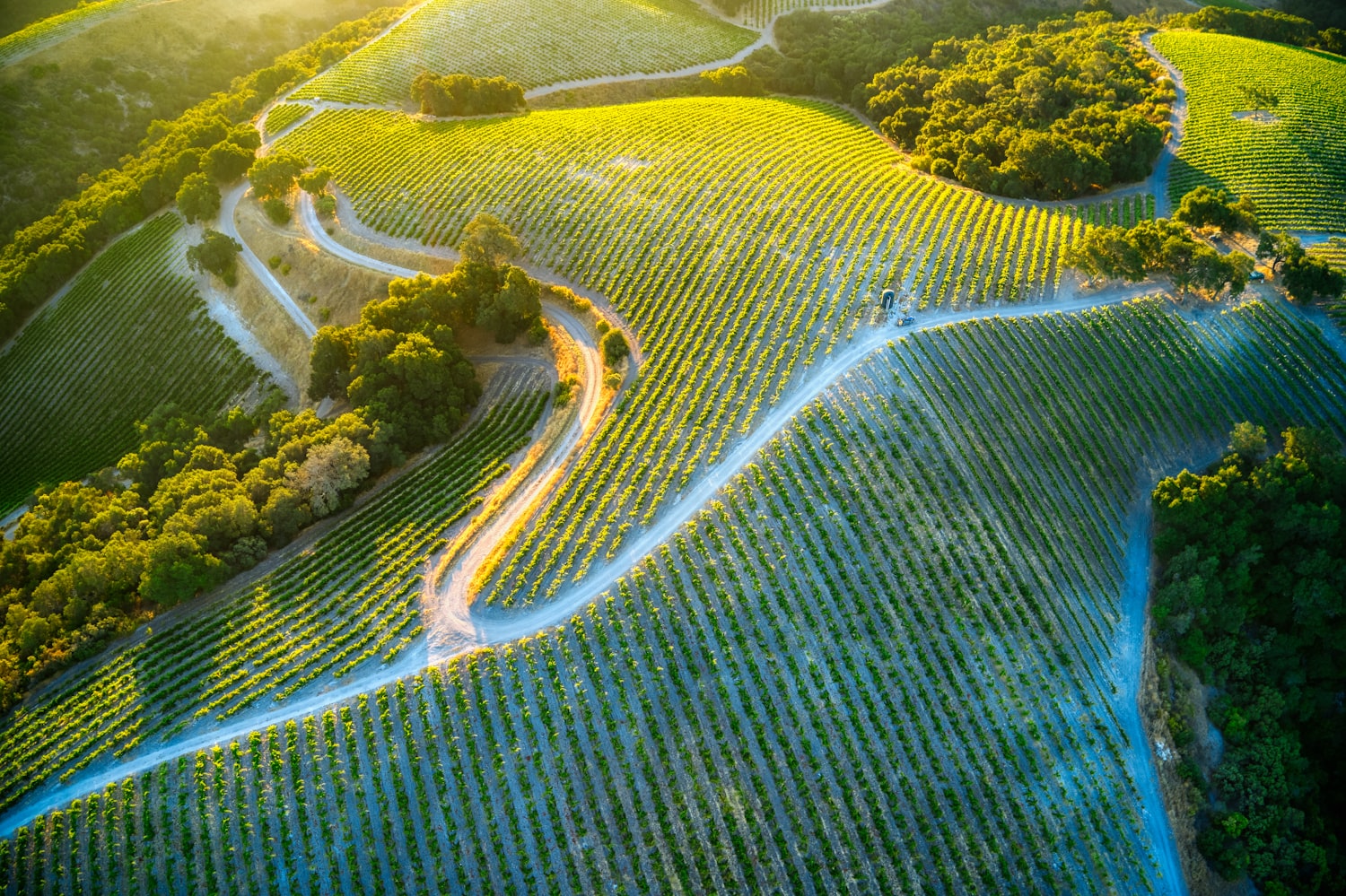
Deep, powerful reds built on Tempranillo — concentrated blackberry and plum, firm tannins and fresh acidity, usually wrapped in generous oak that adds vanilla, toast and spice. Full-bodied, structured and built to age.
How Ribera del Duero wine tastes
If Rioja is the elegant classic, Ribera del Duero is its bolder, more muscular rival — and it’s built almost entirely on Tempranillo, known locally as Tinto Fino or Tinta del País. Expect deep, dark colours and concentrated black fruit: blackberry, black plum and black cherry, often with a savoury, earthy undertone.
These are powerful, structured wines. The tannins (the firm, grippy element in red wine) are substantial, and there’s a bright seam of acidity that stops all that power from feeling heavy. Many spend a good while in new oak barrels, which layers in vanilla, toast, cocoa and sweet spice.
Young examples can taste tight and firm — they genuinely reward patience. Given a few years, the fruit softens and deepens and the wines gain a wonderful complexity, which is why the region’s best reds are so prized by collectors.
Signature styles & what to look for
Ribera del Duero uses the same Spanish ageing ladder as Rioja, so the label tells you how long a wine has matured before release:
Roble or Cosecha — young, with little or no oak. Crianza — aged at least two years, with a minimum of one year in oak. Reserva — aged at least three years, with at least one in oak. Gran Reserva — the longest-aged tier, at least five years, with a minimum of two in oak, made only in the best vintages.
As a rule, the further up this ladder, the more oak influence and mellow complexity you’ll find. Alongside the reds, the region also makes a small amount of fresh, dry rosado (rosé). Many of the most sought-after wines are single-estate bottlings that sit outside the classic ageing categories.
The grapes & the land
The heart of it is Tempranillo (here called Tinto Fino or Tinta del País), sometimes with a splash of Cabernet Sauvignon, Merlot or Malbec. The white Albillo grape also grows here, occasionally adding a little to the reds or making a rare white.
The secret is altitude. The vineyards sit high on Spain’s northern plateau, around 800 metres up. By day the sun is fierce and ripens the fruit fully; by night the temperature plunges. This dramatic daily swing (winemakers call it diurnal variation) builds thick grape skins — hence the deep colour and firm tannin — while locking in the fresh acidity that keeps the wines lively.
Well-drained limestone and clay soils add another layer of freshness and structure. Together, the height and the cold nights are exactly why Ribera reds taste so concentrated yet balanced.