 Winelingo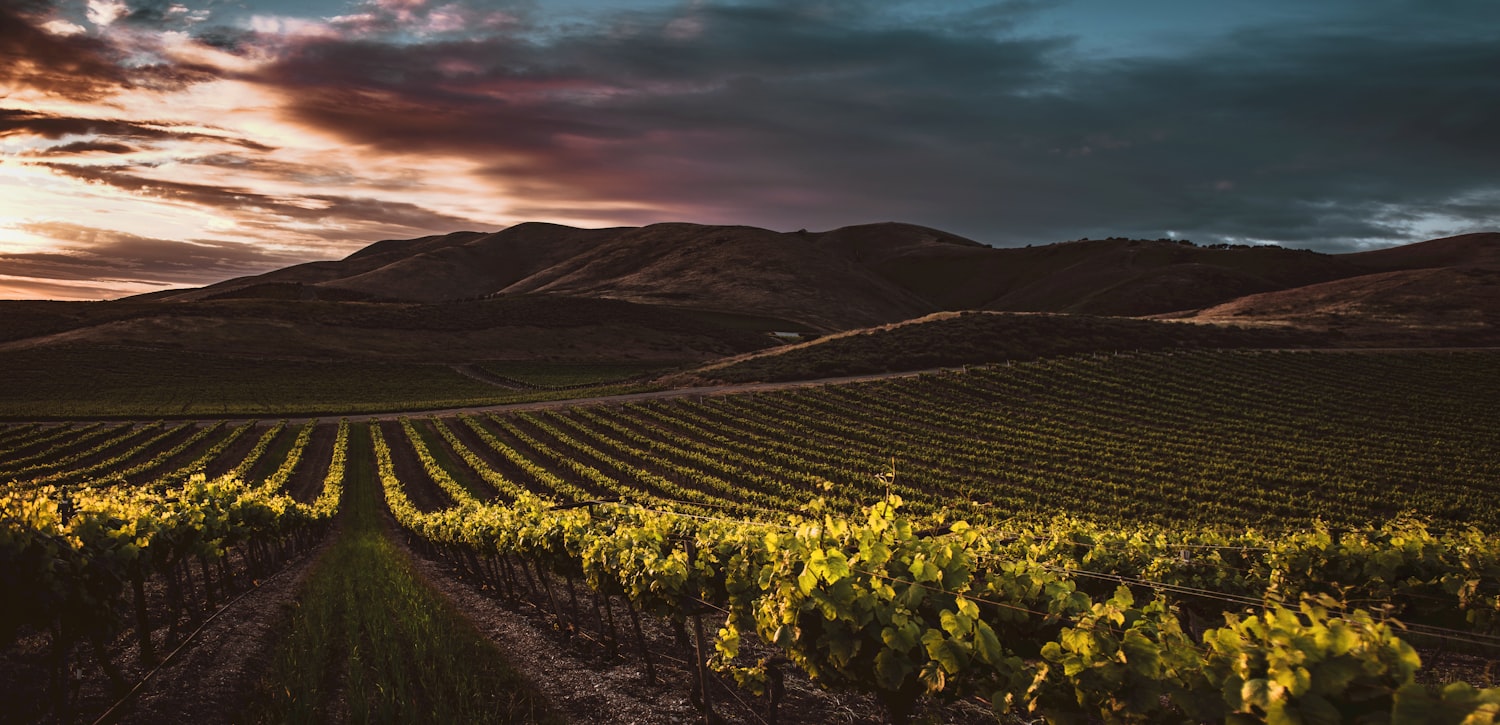
The original sparkling wine: high, refreshing acidity and a fine, persistent stream of tiny bubbles, with flavours of green apple, citrus and white peach lifted by toasty, biscuity, brioche-like notes from long ageing on the lees. Crisp and elegant, from bracing and bone-dry to gently rich.
How Champagne wine tastes
Champagne is the benchmark against which all other sparkling wine is measured, and its style is unmistakable: high acidity, a fine mousse (the wine term for the froth of bubbles) and a distinctive toasty complexity.
On the fruit side you will find green apple, citrus, pear and often a little white peach. Wrapped around that is the character that makes Champagne special, savoury, bread-like notes often described as brioche, biscuit or toast. These come from the wine ageing for a long time on its lees (the spent yeast left over from fermentation), which the region is famous for.
Most Champagne is dry, and the bubbles carry a bracing freshness. Styles run from lean and bone-dry through to fuller, nuttier and more richly aged, but that combination of crisp acidity and toasty depth is the common thread.
Signature styles & what to look for
All Champagne is made by the traditional method, meaning the bubbles come from a second fermentation inside the very bottle you buy, which is what gives such a fine, long-lasting fizz.
A few label terms help you navigate. Non-Vintage (NV) is the house’s consistent everyday blend; Vintage comes from a single, usually better year. Blanc de Blancs is made only from white Chardonnay and tends to be lighter and crisper; Blanc de Noirs is made from the black grapes and is fuller. Rosé is pink and fruitier, and a Prestige Cuvée is a house’s flagship.
For sweetness, the key words run from driest to sweetest: Brut Nature (no added sugar) and Extra Brut are the driest, Brut is the popular all-rounder, and Extra Dry, Sec and Demi-Sec are progressively sweeter. It is also worth knowing grower Champagne, marked RM on the label, made by the same estate that grew the grapes, as distinct from the big houses.
The grapes & the land
Three grapes do almost all the work: Chardonnay (bringing finesse and citrus), Pinot Noir (body and structure) and Pinot Meunier (fruit and approachability). Most Champagnes blend the three, though a Blanc de Blancs is all Chardonnay.
Champagne is one of the coolest, most northerly wine regions in France, and that is the whole point. In such a cold climate the grapes struggle to fully ripen and keep very high acidity, which would make a sharp, thin still wine but is exactly what you want for a fresh, long-lived sparkling wine. The region’s famous chalk soils help too, holding water and reflecting warmth, and lending the wines part of their crisp, mineral backbone.