 Winelingo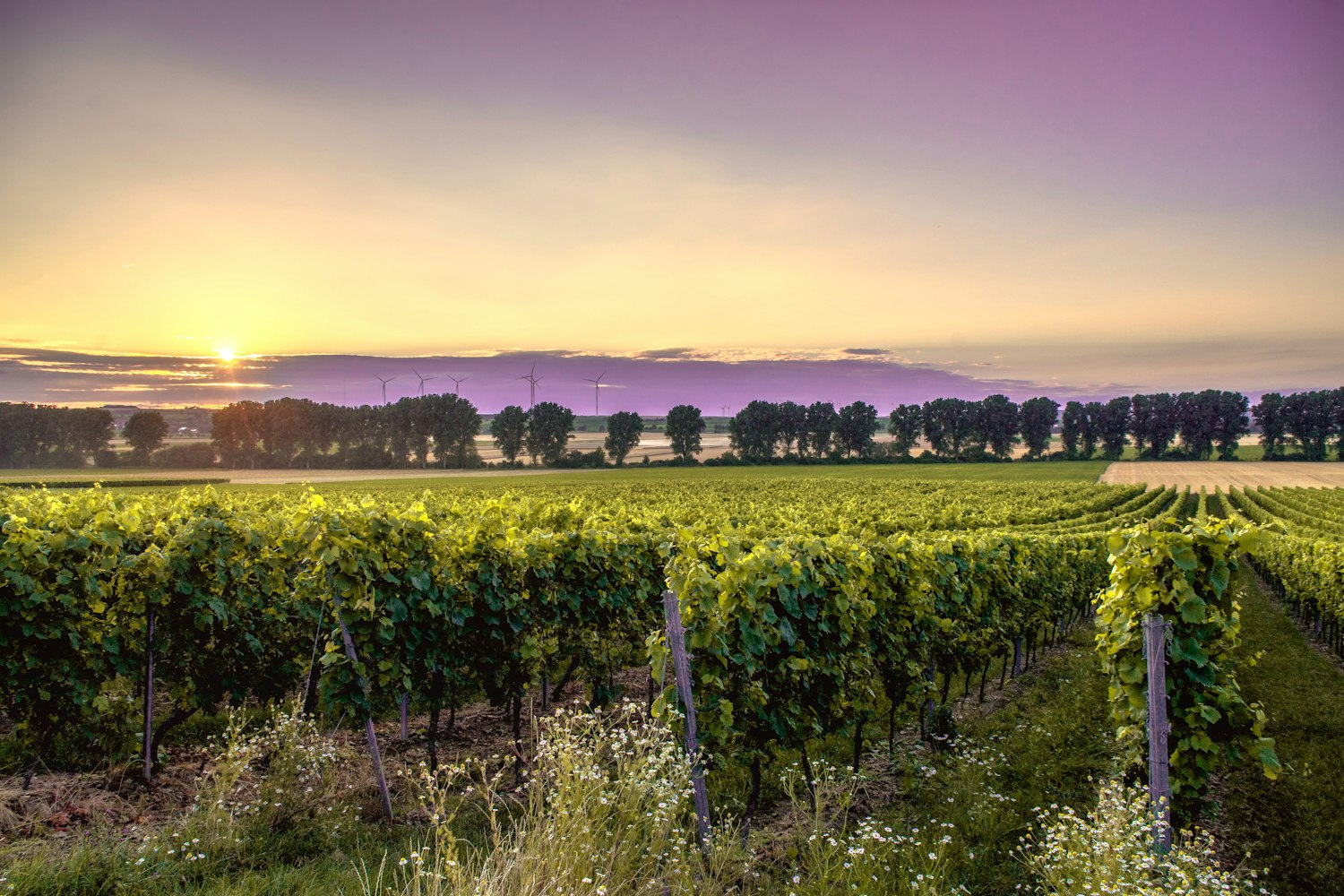
Bone-dry, unoaked Chardonnay at its most crystalline: crisp green apple, lemon and pear, a stony, flinty minerality and sometimes a faint saline tang, all carried on taut, mouth-watering acidity. Lean and precise rather than rich or buttery.
How Chablis wine tastes
Chablis is the classic reference for what cool-climate Chardonnay can be, and it tastes worlds apart from the rich, oaky Chardonnay of warmer regions. It is bone-dry, taut and refreshing.
Expect flavours of green apple, lemon, pear and sometimes a little white flower, all held together by bright, mouth-watering acidity. What really sets Chablis apart is its minerality: a stony, flinty, almost wet-pebble character, often with a faint salty or oyster-shell savour.
Because most Chablis is made without new oak, there is little of the vanilla or butter you might expect from Chardonnay elsewhere. Instead the fruit and that stony streak stay clean and front-and-centre. As it climbs the quality ladder the wine gains more depth, texture and richness, but that cool, crisp, mineral core is always there.
Signature styles & what to look for
There is only one style here, dry white Chardonnay, but there is a clear four-tier quality ladder worth knowing, all shown on the label.
Petit Chablis is the lightest and most everyday. Chablis is the classic village wine most people start with. Chablis Premier Cru comes from better-placed named vineyards and offers more depth and concentration. Chablis Grand Cru, the top tier, comes from a single stretch of prized south-west-facing slope and is the richest, most age-worthy of all, with seven named plots such as Les Clos and Vaudésir.
As a rule, the higher up the ladder, the more concentrated the wine and the longer it can age. Premier and Grand Cru wines in particular can reward several years in the cellar.
The grapes & the land
Chablis is made entirely from Chardonnay, and nothing else. It is the northernmost part of Burgundy, sitting well to the north of the region’s other vineyards.
The cool, marginal climate is the first key: it ripens grapes slowly, keeping them high in fresh acidity and low in ripe tropical fruit, which is why the wines taste so crisp and appley rather than lush. The second key is the soil. The best vineyards sit on Kimmeridgian limestone, an ancient seabed packed with tiny fossilised oyster shells, and growers credit it for the flinty, saline minerality that defines the wines. Fermenting in neutral steel or old oak, rather than new barrels, keeps that pure, stony character intact.