 Winelingo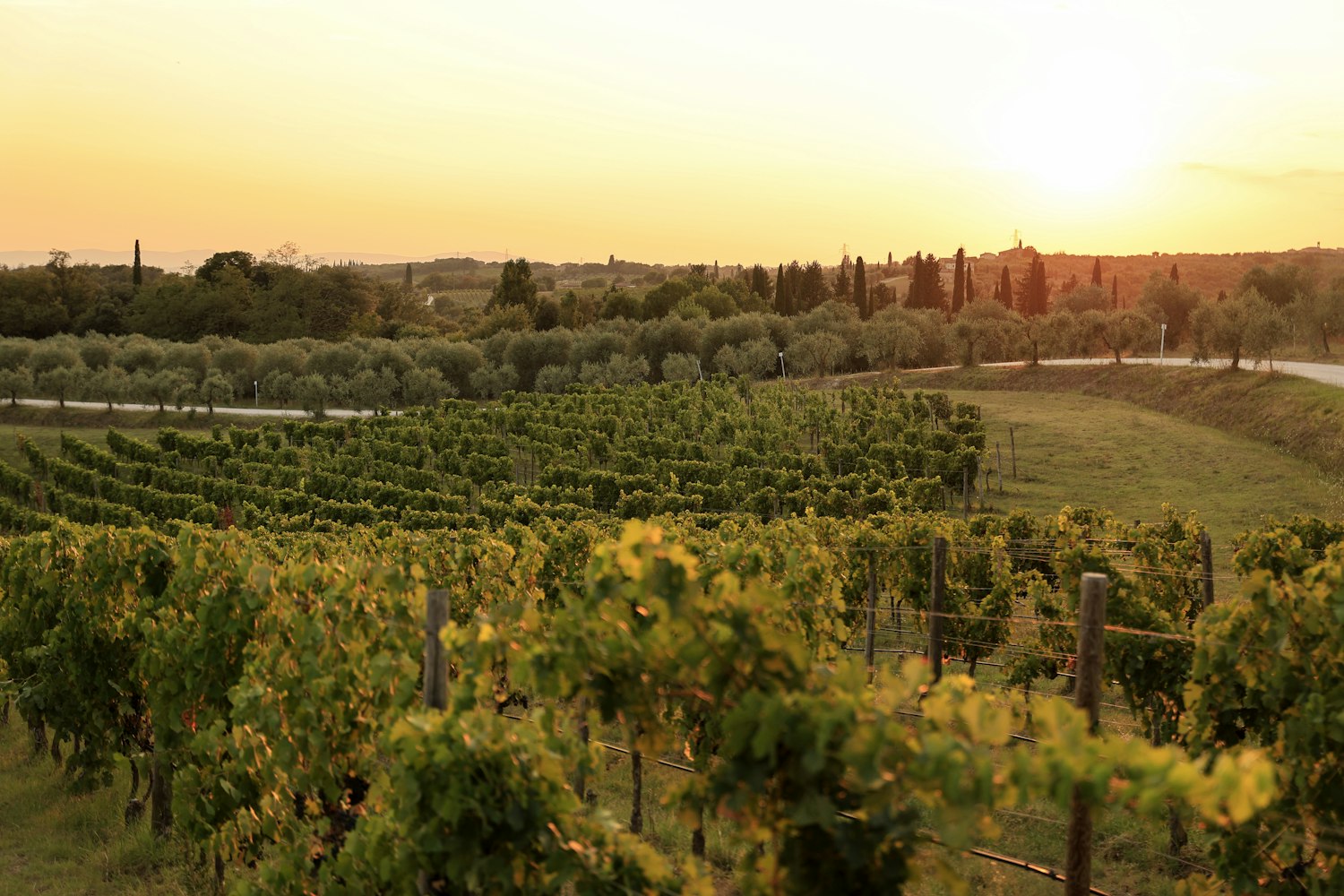
Light, juicy reds bursting with fresh red fruit like cherry and raspberry, with soft tannins, lively acidity and often a floral or slightly earthy edge. Most are gulpable and best enjoyed young, sometimes lightly chilled.
How Beaujolais wine tastes
Picture crunchy red cherries and raspberries with a splash of violets. Beaujolais is one of the most easy-going red wines there is: pale to medium in colour, light-bodied, low in the grippy tannins that dry your mouth, and refreshed by bright acidity that keeps everything lively.
The style you meet depends on where in the region the wine comes from. Simple Beaujolais and Beaujolais Nouveau are all about immediate, primary fruit, sometimes with a playful note of banana or bubblegum that comes from the winemaking. The ten named villages known as the crus give deeper, more serious wines with real structure and a stony, mineral undertone.
Because the tannins are so gentle, a slight chill of twenty minutes in the fridge suits most Beaujolais beautifully and makes it even more thirst-quenching.
Signature styles & what to look for
There are three quality levels to know. Beaujolais (the basic tier) is light and fruity for everyday drinking. Beaujolais-Villages comes from a group of better hillside communes and offers a bit more depth. The ten crus are the top rung, each its own appellation: Brouilly, Côte de Brouilly, Régnié, Morgon, Chiroubles, Fleurie, Moulin-à-Vent, Chénas, Juliénas and Saint-Amour.
Among the crus, Fleurie is prized for perfume and finesse, while Morgon and Moulin-à-Vent are the fullest and most ageworthy, sometimes taking on a darker, almost Pinot-like character with a few years in bottle.
You will also see Beaujolais Nouveau, released on the third Thursday of November just weeks after harvest. It is a fun, grapey celebration of the vintage rather than a wine to keep. A little white Beaujolais made from Chardonnay also exists, though it is rare.
The grapes & the land
Beaujolais is almost entirely Gamay, a thin-skinned grape that naturally gives pale, fruity, low-tannin reds. A dab of Chardonnay accounts for the small amount of white wine.
Much of the vivid fruit also comes from a technique called carbonic (or semi-carbonic) maceration, where whole bunches of grapes begin fermenting inside their own skins before being pressed. This coaxes out bright, juicy flavours and keeps tannins soft; it is what gives Nouveau its playful banana-and-bubblegum lift, though cru producers use it more gently to build wines that can age.
The north of the region, where the crus sit, is built on granite and schist soils that lend minerality and backbone, while the flatter south has heavier clay and limestone that suits the lighter styles. The semi-continental climate ripens Gamay reliably yet holds on to the freshness that makes these wines so drinkable.